
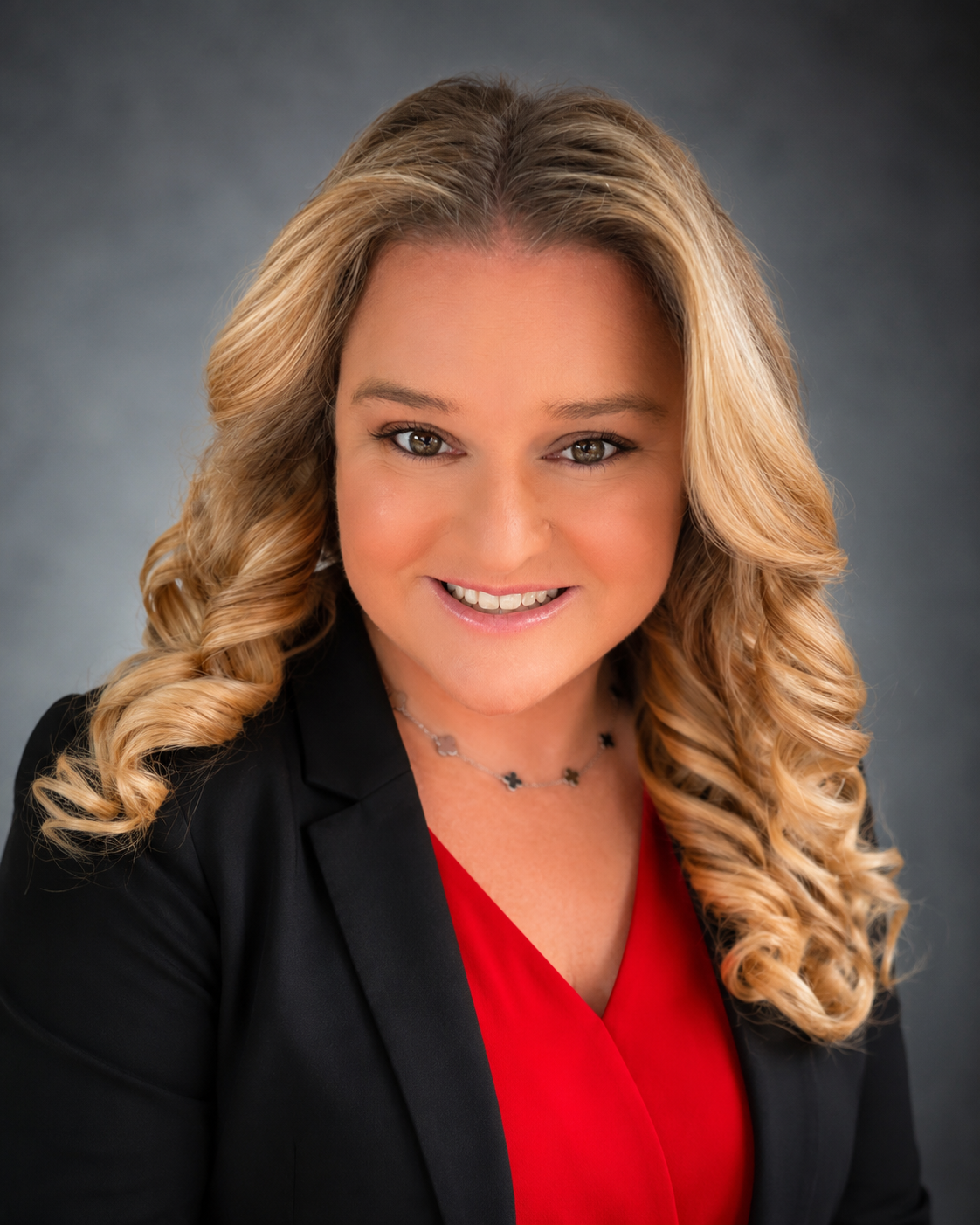
Lisa Ribacoff, Polygraph Examiner & Licensed Private Investigator
Interpoint Investigative Services
What does a polygraph examiner actually do, and how do you become one?
Lisa Ribacoff is a polygraph examiner, licensed private investigator, and polygraph instructor. She joins Liane and Annie to explain how lie detector tests work today, what the career path looks like, and what it takes to do this job well.
Lisa started young. In high school she answered phones and did filing at her father’s family-owned private investigation firm, and she later worked surveillance and decoy assignments. She went on to earn degrees in education, including a master’s in special education, and taught in the Bronx and on Long Island. Then she chose to return to investigations and train as a polygraph examiner. At her first polygraph conference, in her early twenties, people asked her whose daughter she was. Twelve years later, she sat on the association’s board of directors.
In this conversation, Lisa explains how polygraph tests have moved from analog needles to digital instruments that add sensors for blood oxygen and movement to detect countermeasures. She also explains why she calls her exam a “truth verification exam” rather than a lie detector test. For anyone weighing a polygraph examiner career, she covers the bachelor’s degree requirement, what polygraph school involves, state licensing differences, and the real cost of starting a private practice. She explains how federal, law enforcement, and private polygraph examiner paths differ, and why communication and empathy matter as much as technical skill.
In this episode:
✦ How to become a polygraph examiner: degree, polygraph school, and field exams
✦ Polygraph examiner licensing and where a license isn’t required
✦ Startup costs for private practice: tuition, travel, and instruments
✦ Federal, law enforcement, and private polygraph examiner career paths
✦ Pre-employment polygraph screenings
✦ Testing examinees with cognitive disabilities
✦ The emotional toll of credibility work and how she copes
✦ What she would tell her younger self
MBTI vibe: ISTJ / ISTP / INFJ / ESTJ / INFJ
Analytical discipline • Emotional steadiness • Nonjudgmental listening • Ethical backbone • Clear communicator
Need to Know Facts*
Salary Range:
Entry-Level Education &
Additional Certification
Work Experience in
Related Occupation:
Job Outlook
Resources:
• Range: $60,000 – $160,000
for federal examiner positions
• Supervisory roles can pay
more
• Typical preparation:
– Bachelor’s degree, any field
Preferred fields: psychology,
behavioral science,
criminology, law enforcement,
or political science
– Complete a recognized
basic examiner program
– State license, varies by state
– Federal certification
– Continuing education
• Valuable experience:
– Law enforcement & investigations
– Security and personnel vetting
– Behavioral science & counseling
– Counterintelligence
– Existing polygraph practice
• Consulting experience
• Client-development capability
• Evidence of leading transformations
• Key skills include:
– People strategy & workforce
planning
– Employment law, compliance,
risk management
– Organizational design & change
management
– Talent acquisition, retention,
performance, succession
– Compensation, benefits, and job
architecture
– HR analytics and
financial acumen
– HR technology & AI governance
– M&A and post-
merger integration
• No specific data available
• Work environments:
– Federal government &
intelligence agencies
– State & local law enforcement
– Corrections, probation, &
offender-monitoring programs
– Private polygraph practice
– Private investigative or
consulting firm
– Mobile or contract assignments
O*Net Online
American Polygraph
Association (APA)
National Center for Credibility
Assessment (NCCA)
About Lisa Ribacoff
Lisa Ribacoff is an internationally recognized polygraph examiner, investigative consultant, and expert in credibility assessment with more than a decade of experience conducting high-profile examinations and investigations. She consults on complex matters for corporate, legal, government, and private-sector clients.
A frequent speaker and educator, Lisa has held leadership positions within the American Polygraph Association and National Polygraph Association where she advances professional standards and continuing education. Before entering the investigative field, she was an educator, earning bachelor’s and master’s degrees in education that continue to shape her engaging, audience-focused presentation style.
Lisa has conducted examinations in criminal, civil, employment, and sensitive internal investigations, bringing practical insights from thousands of real-world cases.
Never miss a new job: get episode alerts at whatshedoespodcast.com. Follow What She Does on LinkedIn.




Leave a Reply